
Biting your tongue can happen in an instant. One moment you are eating or talking, and the next you feel sharp pain, sometimes followed by bleeding. It can be uncomfortable and alarming.
In most cases, a tongue bite is minor and heals on its own. However, certain symptoms may indicate a more serious injury that requires medical attention. Here’s how to tell the difference.
What Causes Tongue Biting?
Accidentally biting your tongue is common. The cause often determines whether it’s a simple injury or something that needs further evaluation.
1. Everyday Accidents
Many people bite their tongue while chewing, speaking, or reacting to a sudden movement.
2. Bite Misalignment or Orthodontic Appliances
Crooked teeth, uneven bites, or braces can increase the risk of accidental injury.
3. Sports or Physical Trauma
A blow to the face during sports can cause the jaw to snap shut suddenly.
4. Teeth Grinding (Bruxism)
Nighttime grinding or clenching may lead to tongue injuries during sleep.
5. Neurological Conditions
Involuntary muscle movements associated with certain neurological disorders can result in tongue biting.
6. Seizures
Severe tongue biting during sleep or repeated injuries may indicate seizure activity. This requires prompt medical evaluation.

When to See a Doctor or Dentist for a Tongue Bite
Most minor tongue injuries heal within a few days. However, seek immediate care if you notice any of the following:
- Heavy or Uncontrolled Bleeding: If firm pressure does not stop the bleeding after 10–15 minutes, seek urgent medical attention. The tongue contains many blood vessels, and deeper cuts can bleed significantly.
- Deep, Gaping, or Large Cuts: Cuts that are deep, widely separated, or longer than about 1–2 centimetres may require stitches to heal properly.
- Signs of Infection: Watch for increasing swelling, persistent or worsening pain, pus or discharge, fever, or a foul taste in the mouth. These symptoms require professional assessment.
- Difficulty Speaking, Swallowing, or Breathing: Severe swelling that interferes with normal function is a medical emergency. Seek immediate care if breathing becomes difficult.
How to Heal a Bitten Tongue Faster
Healing time depends on the severity of the injury.
For Minor Tongue Bites
Small cuts typically heal within 3–7 days. To support healing:
- Rinse with warm salt water 2–3 times daily
- Apply a cold compress externally or suck on ice chips
- Avoid spicy, acidic, or very hot foods
- Maintain good oral hygiene
The tongue’s strong blood supply helps minor injuries heal relatively quickly.
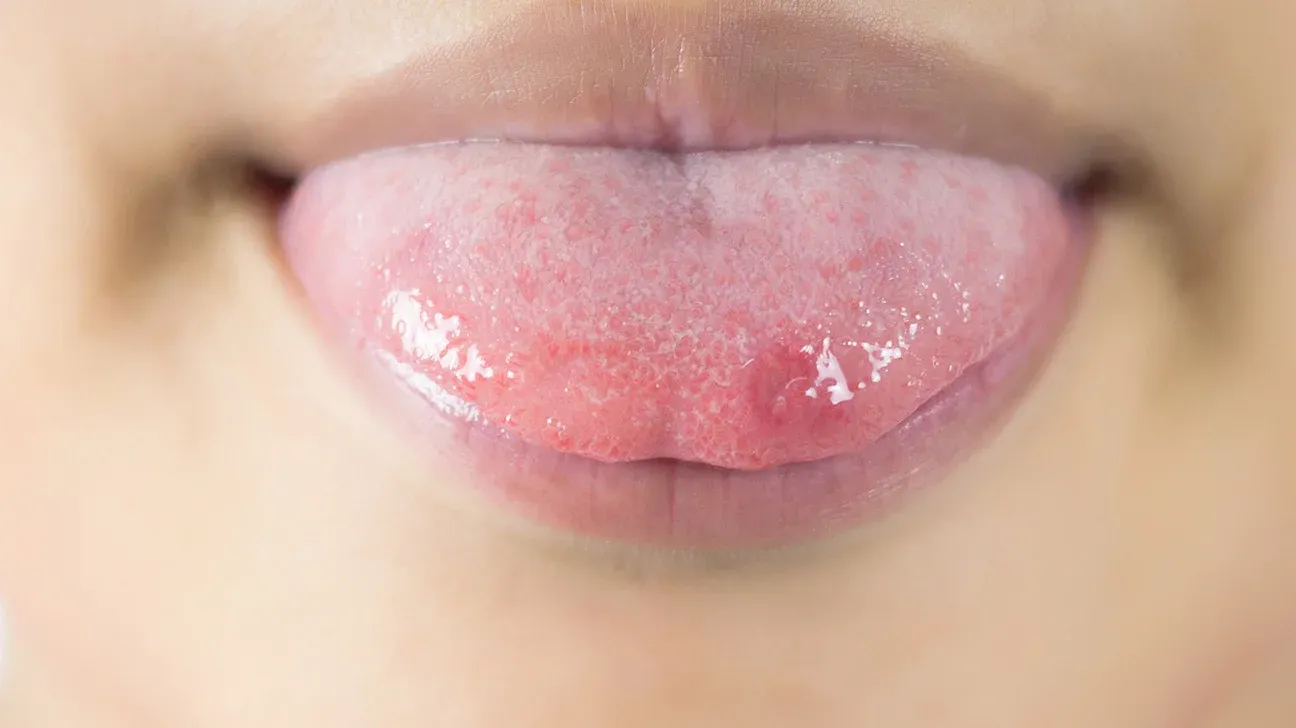
For More Severe Injuries
Deeper wounds may take several weeks to fully heal. Treatment may include sutures (stitches), prescription antimicrobial mouth rinse, antibiotics if infection risk is high, and pain management recommendations.
If you are uncertain about the severity of the injury, it is safest to consult a dental or medical professional.
Can Tongue Biting Be Prevented?
In many cases, preventive care can reduce risk:
- Wear a properly fitted mouthguard during sports
- Address bite alignment concerns
- Use a night guard if you grind your teeth
- Seek medical evaluation for repeated tongue injuries during sleep
Persistent or unexplained tongue biting should always be assessed.
Frequently Asked Questions
When should I see a doctor for a bitten tongue?
Seek care if bleeding does not stop, the wound is deep, or you notice signs of infection or severe swelling.
How long does a tongue bite take to heal?
Minor injuries usually heal within one week. More severe injuries may take several weeks.
What should I do if a sore develops after biting my tongue?
Keep the area clean, rinse with salt water, and avoid irritating foods. If symptoms worsen, see a dentist.
Why do I bite my tongue in my sleep?
Common causes include teeth grinding. Repeated injuries may require further evaluation to rule out sleep disorders or neurological conditions.
Can anxiety cause tongue biting?
Yes. Stress or anxiety can lead to clenching, grinding, or nervous habits that increase risk.
Should I go to the emergency room?
Go to the emergency room if there is heavy bleeding that won’t stop, severe swelling, or breathing difficulty.
Final Thoughts
Most tongue bites are minor and heal without complications. However, heavy bleeding, deep cuts, infection symptoms, or breathing concerns should never be ignored.
When in doubt, a professional evaluation provides peace of mind and ensures proper healing. Early care can prevent infection and reduce discomfort.