Numbing and Preparing the Tooth
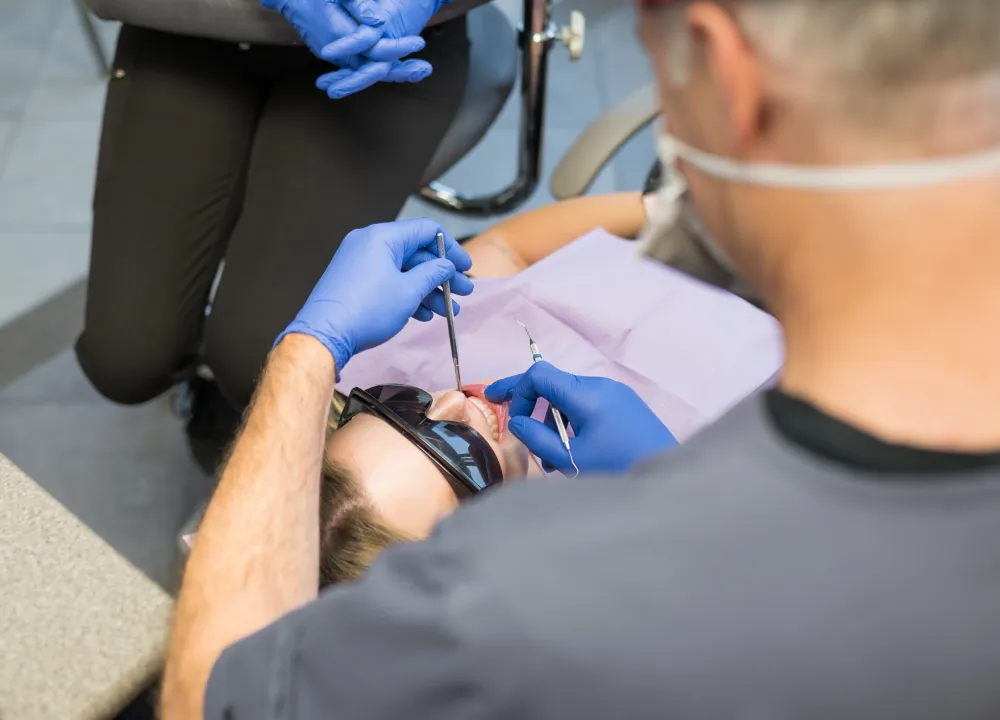
Local anaesthetic is used to numb the area. A dental dam is generally placed to isolate the tooth.
Tell the dentist about previous problems with numbing or treatment anxiety.

Root canal treatment removes inflamed or infected tissue from inside a tooth, cleans and seals the root canals, and allows a suitable tooth to be restored. The goal is to treat the problem while keeping the natural tooth when possible. A toothache does not automatically mean you need a root canal, so treatment begins with an examination and diagnosis.
Inside the tooth is soft tissue called the pulp. Deep decay, a crack, previous treatment or an injury may damage this tissue.
These signs do not confirm a root canal diagnosis by themselves. For severe pain or developing swelling, review emergency dental care.

The dentist reviews symptoms, examines the tooth, performs appropriate clinical tests and takes images when needed. Digital dental X-rays may help assess areas that cannot be inspected directly.
The remaining tooth structure, roots, gum support and any cracks influence whether treatment is appropriate.
Examine the tooth, test it and review appropriate images.
Remove affected tissue and clean, fill and seal the canals.
Provide the appropriate temporary or final restoration.
Confirm aftercare, follow-up and any remaining treatment.
Local anaesthetic is used to numb the area. A dental dam is generally placed to isolate the tooth.
Tell the dentist about previous problems with numbing or treatment anxiety.
The affected pulp is removed, and the canal spaces are cleaned, filled and sealed.
A temporary restoration may be used when another appointment is required.
The tooth needs a suitable final restoration. Depending on the tooth and remaining structure, this may involve a filling or crown.
Relief from symptoms does not necessarily mean that the full treatment and restoration are finished.
Some tenderness may occur after treatment. Follow the instructions given for eating, cleaning and using the tooth before the final restoration is complete.
Contact the clinic if pain is increasing, swelling develops, a temporary restoration comes out or the bite feels uneven.
Follow the instructions provided for your particular tooth and treatment.
The appropriate option depends on the diagnosis, remaining tooth structure, gum support, cracks, restoration needs and expected outlook for the tooth.
This option may be considered when the tooth can be predictably treated and restored.
If the tooth cannot be restored, tooth extraction in Regina may be discussed.
Root canal cost in Regina can depend on the tooth, canal complexity, necessary imaging and whether specialist care is needed.
The final filling or crown may be a separate part of the estimate. Ask which procedures and restorations are included.
Visit Downtown Dental Centre to discuss the expected care for your particular tooth.
Yes. The recommendation should be based on examination, testing and appropriate imaging rather than symptoms alone.
Not every tooth needs the same restoration. The tooth’s position, remaining structure and chewing demands affect the recommendation.
There is no fixed number for every tooth. Treatment complexity and the final restoration affect the schedule.
Tell the office before your visit. Discuss explanations, a pause signal and available comfort arrangements with our dental team.
Referral may be appropriate when diagnosis or treatment is complex or when a previously treated tooth needs further assessment.
Arrange a review. Depending on the finding, the options may include further endodontic care, another treatment or removal.