
Schedule
Appointment

Tooth Extractions in Regina

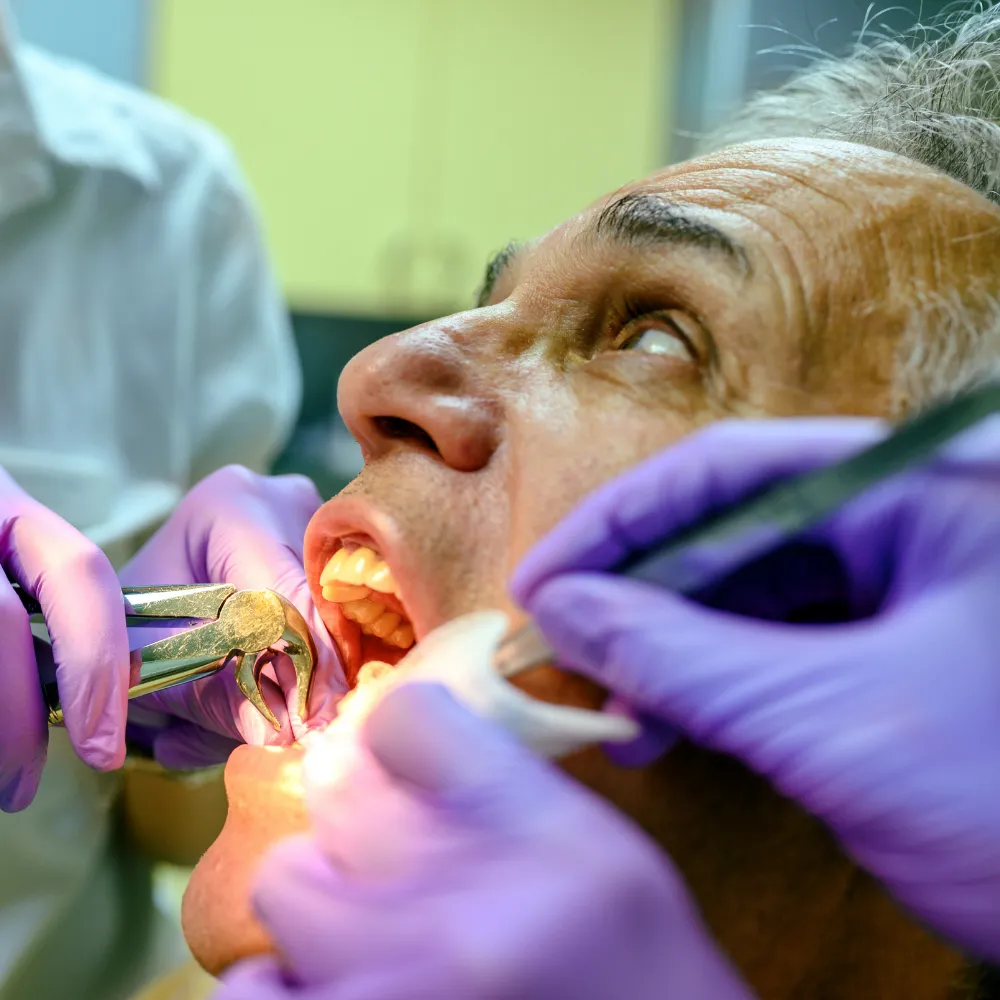
A tooth extraction removes a tooth when keeping it is not a suitable option or when removal is required as part of a treatment plan. A dental examination helps determine whether extraction is necessary, whether the tooth can be repaired and where treatment should take place. Tooth pain alone does not prove that removal is the right treatment.

Dentist calmly reviewing a dental X-ray with an adult patient
Assessment Before Treatment

When Might Tooth Removal Be Recommended?

Removal may be considered when a tooth is too damaged to restore, has lost substantial support or cannot be predictably treated. It may also form part of another planned treatment.

The dentist considers the tooth, surrounding tissues, health history and available alternatives.

For significant pain or swelling, review emergency dental care.

Questions to Ask Your Dentist

  • What is causing the problem?
  • Can the tooth be repaired?
  • What are the benefits and risks of keeping it?
  • Would the extraction require a referral?
  • Would the space need replacement?
Seek emergency medical help when needed. Difficulty breathing or swallowing, or rapidly spreading swelling, requires emergency medical help. Call 911 or go to an emergency department.
Dentist discussing tooth-saving and removal options using a tooth model
Exploring the Alternatives

Can the Tooth Be Saved Instead?

Depending on the findings, alternatives may include a filling, crown or treatment inside the tooth. The dentist should explain why a tooth-saving option is or is not appropriate.

Root Canal Treatment

Root canal treatment may be considered for a restorable tooth with an inflamed or infected pulp.

Dental Crowns

A dental crown in Regina may help protect selected teeth with substantial remaining structure.

Discuss Your Options

Visit Downtown Dental Centre for an examination and an explanation of the appropriate treatment options.

Before and During Treatment

What Happens Before and During an Extraction?

1

Assessment

Review the tooth, nearby structures and your health history.

2

Options

Discuss whether the tooth can be repaired or should be removed.

3

Treatment Plan

Plan comfort, treatment location and any required referral.

4

Recovery

Review aftercare, warning signs and any follow-up needs.

Reviewing Your Health, Medicines and X-Rays

Bring a current medicine list and mention medical conditions, allergies and previous treatment problems.

Tell the dentist about blood-thinning medicines. Do not stop or change prescribed medicine without direction from the clinician managing it.

X-rays may be needed to assess the tooth and nearby structures. If the case is more complex, referral may be appropriate.

Planning Treatment, Comfort and Any Referral

The dentist explains how the area will be numbed and what you may feel. Some extractions are more straightforward; others require a surgical approach or another provider.

Confirm the clinic’s extraction scope and referral arrangements before publishing.

Before leaving, make sure you know how to care for the area, which symptoms require a call and whether follow-up is needed.

The first appointment may focus on assessment and immediate needs. Imaging, medical information, case complexity and available appointment time can affect when and where treatment takes place.
Healing and Aftercare

Recovery and Follow-Up After Tooth Removal

Recovery depends on the tooth, procedure and your health. Follow the instructions from the treating clinician.

1

Rest

Plan time to rest after treatment as instructed.

2

Choose Comfortable Foods

Select foods that are comfortable to eat during recovery.

3

Protect the Area

Avoid disturbing the healing extraction area.

4

Resume Cleaning

Resume oral cleaning according to the instructions provided.

5

Know When to Call

Keep the clinic’s contact information available for concerns.

Contact the clinic if: pain becomes more severe, swelling increases, bleeding does not settle with the instructions provided or you feel unwell. Do not place household products into the extraction area.
Estimates and Future Planning

Extraction Costs and Replacing a Missing Tooth

What Affects the Treatment Estimate?

Tooth extraction cost in Regina can depend on the assessment, tooth position, procedure, imaging and whether a referral is required.

Ask for the extraction and any tooth-replacement treatment to be listed separately.

When to Discuss Replacement Options

Not every removed tooth needs replacement. Where replacement is recommended, discuss it before extraction when possible.

Dental Implants

A dental implant may be an option after an assessment of your health, bone and treatment goals.

Explore Dental Implant Options

Dental Bridges

A dental bridge may be another option depending on the space and nearby teeth.

Helpful Answers

Common Questions About Tooth Extraction

Will the dentist explain alternatives before removing my tooth?

Ask for the diagnosis, appropriate alternatives and implications of delay to be explained before agreeing to treatment.

Can a painful tooth always be removed at the first visit?

No. The first visit may focus on assessment and immediate needs. Medical information, imaging, complexity and appointment time can affect the next step.

Do you remove wisdom teeth or refer some cases?

The tooth’s position and complexity determine where treatment should take place. Some cases may require an oral surgeon. Confirm available services after assessment.

Should I tell the dentist about blood-thinning medicines?

Yes. Provide the name and reason for each medicine where known. Do not stop a prescribed medicine on your own.

When can I return to normal activities?

It depends on the procedure, recovery and activity involved. Ask for advice suited to your work, school and exercise plans.

Does every extracted tooth need a replacement?

No. The tooth, bite, nearby teeth and treatment goals all matter. Ask what leaving the space would mean in your case.