
Did you know that gum disease is one of the biggest risk factors for having a stroke? Saskatchewan neurologist, Dr. Felix Veloso, has many practical ideas for reducing your risk of a stroke. Brushing and flossing your teeth every day is one of the simplest of them. It is amazing how many people do not do either of these regularly, but the importance of it cannot be overstated. The bacteria in and around your teeth cause inflammation of your tissues. The bacteria in the mouth then makes its way into the bloodstream and can cause some very serious health issues such as stroke and diabetes.
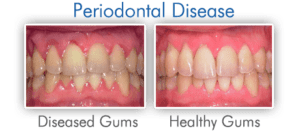
The good news is, if treated early on, gum disease (gingivitis) can be reversed with good oral hygiene.However, when gingivitis is not treated, it can advance to “periodontitis” (which means “inflammation around the tooth”). In periodontitis, gums pull away from the teeth and form spaces (called “pockets”) that become infected. The body’s immune system fights the bacteria as the plaque spreads and grows below the gum line. Bacterial toxins and the body’s natural response to infection start to break down the bone and connective tissue that hold teeth in place. If not treated, the bones, gums, and tissue that support the teeth are destroyed. The teeth may eventually become loose and have to be removed.
Stroke indicators – Seek emergency help if you experience any of these:
S Smile – is it lopsided?
T Talk – can you speak a simple sentence?
R Raise – can you raise both arms?
T Tongue – stick out your tongue; is it crooked or off to one side?