
Can a Damaged Tooth Be Saved, or Does It Need Extraction?
A damaged tooth may be repairable, but symptoms or appearance alone cannot determine that. A dentist considers how much healthy tooth remains, where a crack extends, whether decay can be removed, the condition of the pulp and surrounding bone, gum support, bite forces and whether the tooth can be restored predictably.
Extraction is generally discussed when the tooth cannot be repaired or maintained reasonably, but the decision requires an examination and often appropriate imaging.
The key question is not simply how the tooth looks — it is whether enough healthy, supportable structure remains to restore it predictably.
Book a Damaged-Tooth Assessment
Can a Badly Damaged Tooth Be Saved?
Sometimes. Fillings, crowns, root canal treatment or other restorative care may preserve a tooth when enough suitable structure and support remain. If damage, decay or a crack makes predictable restoration impossible, extraction may be considered. A clinical examination is necessary to compare the options.
Why an Examination Comes Before the Decision
Two teeth can look similar but require very different care. A small broken cusp around an existing filling may be restorable, while a crack that extends below the gumline can create a very different outlook.
Severe pain can occur in a tooth that is still treatable, and a seriously damaged tooth may sometimes cause little discomfort. The dentist gathers specific findings before discussing repair or removal.
Factors That May Support Saving a Tooth
A dentist may consider repair when the tooth can be restored predictably and maintained over time. Several findings work together rather than any single one deciding the outcome.
Decay Can Be Removed
Damage or decay can be removed while leaving enough tooth to restore.
A Limited Crack
The crack is confined to a restorable area of the tooth.
Suitable Root Support
The root and surrounding bone and gums provide suitable support.
Infection Manageable
Infection can be managed and the tooth sealed and restored.
Forces Can Be Supported
The proposed restoration can tolerate expected biting forces.
Value in the Bite
The tooth has value in the patient’s overall bite and treatment plan.
When Root Canal Treatment May Help Save a Tooth
Root canal treatment addresses inflamed or infected pulp inside a tooth. It does not, on its own, make every damaged tooth restorable.
After the inside of the tooth is treated, the remaining tooth still needs enough structural support for an appropriate final restoration, which often includes a crown.
The American Association of Endodontists explains that a cracked tooth extending into the pulp may sometimes be treated with a root canal and a crown, while cracks extending below the gumline may not be treatable. Read the clinic’s root canal treatment in Regina page for the local service pathway.
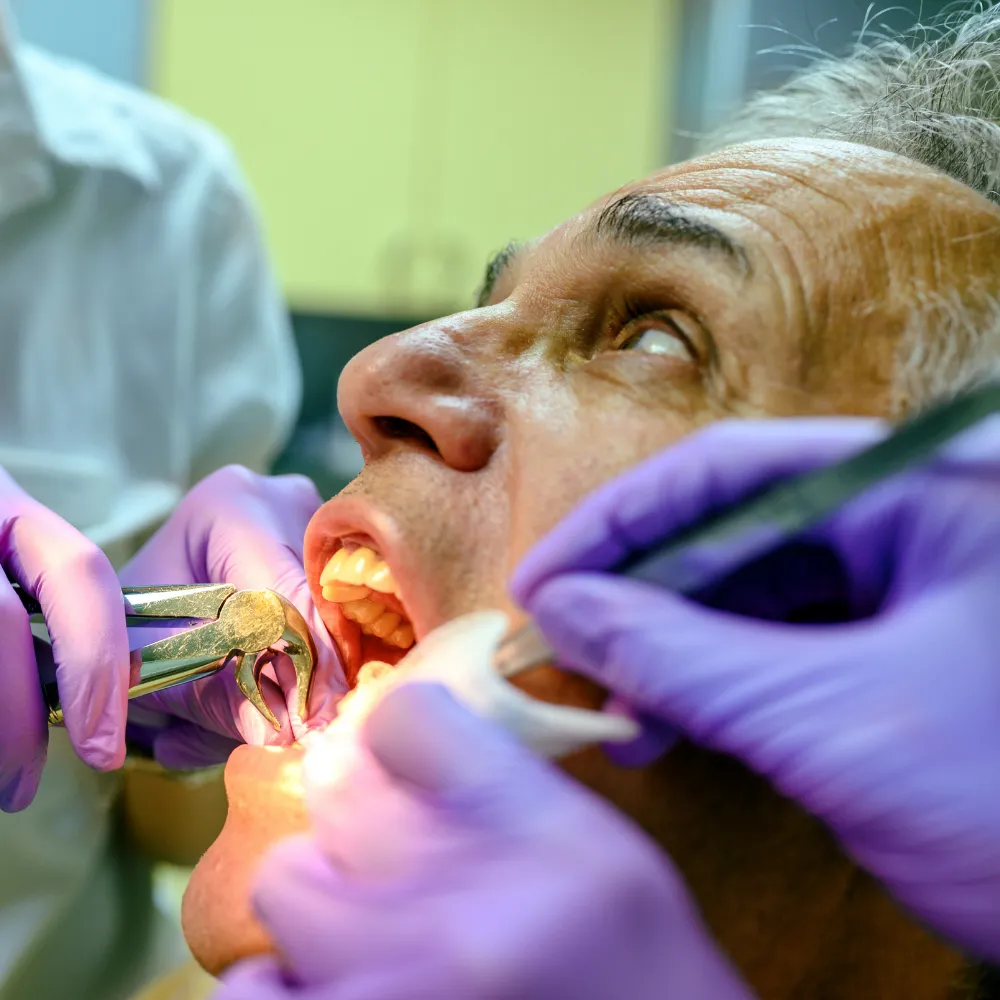
When Extraction May Be Discussed
Extraction may be considered when examination shows that keeping the tooth is not a reasonable or predictable option.
A Non-Restorable Crack
A crack extends into an area that cannot be restored.
Too Little Structure
Decay leaves too little suitable tooth to support any restoration.
Unrestorable After Infection Care
The tooth cannot be adequately restored after infection treatment.
Severe Support Loss
Severe loss of periodontal gum and bone support has occurred.
Position-Related Problems
The tooth’s position or condition creates another clinical problem.
No Workable Path Remains
Previous treatments no longer provide a workable path forward.
Questions to Ask Before Agreeing to Extraction
Irreversible decisions deserve clear answers. Ask the dentist to point to the finding behind the recommendation and to explain the alternatives.
The Specific Finding
What specific finding makes the tooth difficult to save?
Type of Problem
Is it decay, a crack, infection, support loss or a combination?
Reasonable Alternatives
Is root canal treatment or a crown a reasonable option here?
Likely Maintenance
What is the likely maintenance required for each option?
If Treatment Waits
What happens if treatment is delayed?
Replacing the Space
If the tooth is removed, should the space be replaced?
Costs and Stages
What are the costs, stages and limitations of each path?

What Happens If the Tooth Cannot Be Saved?
The immediate priority may be removing the source of pain or disease. After healing, the dentist may discuss whether replacement is appropriate based on the tooth, bite, health, preferences and budget.
A Dental Bridge
A fixed bridge can use neighbouring teeth to replace the missing one.
A Removable Prosthesis
A removable replacement may be appropriate in some situations.
A Dental Implant
A dental implant in Regina may be discussed for suitable candidates.
Leaving the Space
The dentist can explain the expected implications of leaving a gap.
When a Damaged Tooth May Be Urgent
Seek prompt dental advice for any of the following, especially when symptoms are new, severe or developing quickly.
Significant Pain
Strong or growing pain that is difficult to manage.
Facial Swelling
Swelling of the face, cheek or gums near the damaged tooth.
Fever
Fever or other systemic symptoms alongside dental pain or swelling.
A Recent Injury
A knock, fall or injury that loosened or fractured a tooth.
Uncontrolled Bleeding
Bleeding that does not settle with gentle, steady pressure.
Loose or Displaced
A tooth that is loose, pushed out of place or knocked out.
Saving or Removing a Damaged Tooth
Can every cracked tooth be saved?
No. Treatment depends on the crack’s type, position and extent. Early assessment may improve the available options, but no treatment can guarantee that a cracked tooth will remain healthy indefinitely.
Does severe pain mean extraction is necessary?
No. Pain does not determine restorability by itself. Some painful teeth can be treated, and some non-restorable teeth may cause only limited symptoms.
Is extraction cheaper than saving a tooth?
The immediate fee may differ, but a fair comparison should also consider the final restoration, replacement of the missing tooth, maintenance and long-term goals. Request written estimates for each path.
Can a crown save any broken tooth?
No. A crown needs adequate support and does not solve every crack, infection or periodontal problem.
Can I get a second opinion?
Yes. Patients can ask questions and seek another professional opinion, especially when comparing irreversible treatment options. Bring relevant images and records when possible.
What if the tooth breaks on a weekend?
Protect it from further force and contact a dental provider for instructions. Significant swelling, trauma or systemic symptoms require prompt professional guidance.
Authoritative Dental Health Resources
Do Not Choose From a Symptom List Alone
Do not decide between saving and removing a tooth based only on an online symptom list. Contact Downtown Dental Centre or book an assessment in Regina so a dentist can examine the tooth, review any imaging and explain which options genuinely apply.
Contact Downtown Dental Centre