
When it comes to assessing oral health, dental X-rays are a critical tool. However, many people are concerned about the amount of radiation in dental X-ray procedures. In this blog post, we will discuss the benefits and risks associated with dental X-rays and provide an overview of the amount of radiation in dental X-rays. Through this discussion, we hope to help you make an informed decision about whether or not dental X-rays are right for you.
What is Dental Radiography?
Dental radiography refers to the use of x-rays to capture images of teeth, gums, and other oral structures. Two common types of dental x-rays are digital dental x-rays and 3D dental x-rays. These x-rays emit a small amount of radiation, but the benefits of accurate diagnosis outweigh the risks. Digital dental x-rays, in particular, emit even less radiation than traditional x-rays.

Types of Dental X-rays
There are several types of dental X-rays available to help diagnose oral health issues. One of the most common types is the bitewing X-ray, which shows the upper and lower back teeth and their relationship with each other. Another type is the panoramic X-ray, which provides a broader view of the entire mouth.
Digital Dental X-Rays
In recent years, digital dental X-rays have become increasingly popular. These X-rays use electronic sensors to capture images of the teeth and surrounding structures. Digital X-rays typically emit less radiation than traditional film X-rays and produce higher-quality images that can be enhanced for clearer diagnosis.
3D Dental X-Ray
Another type of dental X-ray is the 3D dental X-ray, also known as cone beam computed tomography (CBCT). This technology provides a 3D image of the teeth, jaw, and surrounding structures, allowing for more precise diagnosis and treatment planning. However, 3D dental X-rays radiation is higher than traditional X-rays, so their use should be carefully considered.
Overall, the amount of radiation in digital dental X-rays is much lower than in traditional film X-rays, making them a safer option for patients. However, it’s important to discuss the risks and benefits of any dental X-ray with your dentist to determine the best course of action for your oral health.
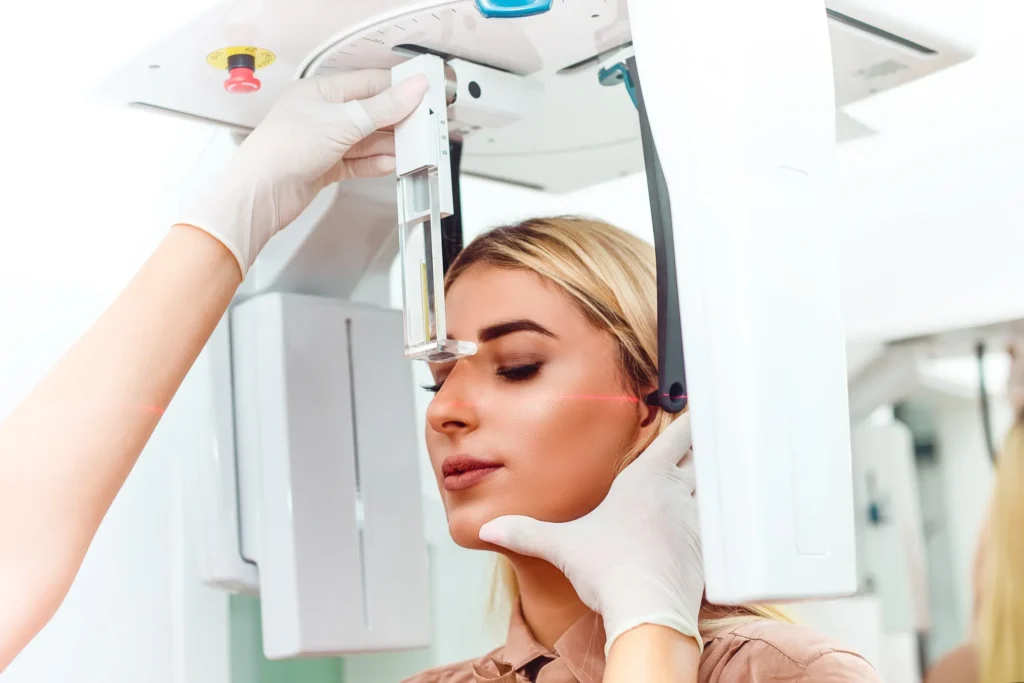
The Importance of Dental X-rays in Diagnosis
Dental X-rays are a crucial part of dental diagnosis. They allow dentists to see what is happening below the surface of the teeth and gums. X-rays can show early signs of decay, infections, tumors, and bone loss, which are all invisible to the naked eye.
Diagnose Problems With Greater Precision
The advent of modern technology has allowed for more accurate and detailed images. 3D dental X-ray radiation and digital dental X-ray radiation have reduced the amount of radiation needed to capture images while increasing the quality of the images themselves. This means that dental professionals can diagnose problems with greater precision, and with a lower risk of radiation exposure to the patient.
It is recommended that individuals receive dental X-rays at least once a year to maintain optimal oral health. Dentists use X-rays to monitor and detect problems that cannot be seen by the naked eye, and the benefits of early detection and treatment can help prevent more serious dental problems down the road.
How Much Radiation is in a Dental X-ray?
Dental X-rays have become an essential diagnostic tool in dentistry. But concerns have been raised about the amount of radiation that dental X-rays emit. It’s essential to understand that the amount of radiation in dental X-rays is low and usually poses no harm to patients.

The amount of radiation in traditional dental X-rays, also known as film-based X-rays, is relatively low. However, newer technologies like 3D dental X-ray radiation and digital dental X-ray radiation offer even lower amounts of radiation exposure. Digital dental X-rays use sensors to capture the images, and they require up to 90% less radiation than traditional film-based X-rays.
Radiation in Digital Dental X-Rays
The amount of radiation in digital dental X-rays is measured in milliSieverts (mSv). A single digital dental X-ray exposes patients to 0.005 mSv of radiation. To put this into perspective, the average person receives a natural background radiation dose of 2.4 mSv per year.
The Benefits of Dental X-rays
Dental X-rays are an essential diagnostic tool that provide valuable insights into the condition of teeth, gums, and surrounding structures. With advancements in technology, dental X-rays have become even more beneficial.

Early Detection and Prevention
By using dental X-rays, dentists can detect and diagnose issues that are not visible to the naked eye. They can identify cavities, impacted teeth, bone loss, and even tumors. Early detection allows for prompt treatment, which can prevent the progression of dental problems.
Moreover, dental X-rays aid in treatment planning by providing an accurate assessment of the severity of dental issues. This allows dentists to develop an effective treatment plan that caters to the unique needs of each patient.
The Risks of Dental X-rays
While dental X-rays provide important diagnostic information, there are some risks associated with their use.
Radiation Exposure
One major concern is the amount of radiation exposure, especially with traditional film X-rays. However, with modern technology like digital and 3D dental X-rays, radiation exposure is significantly reduced. Nevertheless, some people may still be sensitive to radiation and should avoid unnecessary X-rays. Pregnant women, for example, should not have dental X-rays unless absolutely necessary.
Overall, the benefits of dental X-rays outweigh the risks for most patients. Still, it’s important to have open communication with your dentist about any concerns or questions you may have regarding X-rays and your oral health.
Reducing Radiation Exposure During Dental X-rays
While dental X-rays are necessary for proper diagnosis and treatment, they do involve exposure to radiation. However, with advancements in technology, the amount of radiation in dental X-rays has significantly reduced over the years.

Using Digital Dental X-Rays
One way to reduce radiation exposure is by using digital dental X-rays. These X-rays produce 70% less radiation than traditional film X-rays. In addition, 3D dental X-rays also use lower amounts of radiation compared to traditional X-rays.
It’s important to note that dentists only take X-rays when necessary, and they may recommend alternative diagnostic methods for patients who are pregnant or have a history of radiation exposure.
Protective Equipment
Another way to reduce radiation exposure during dental X-rays is to use protective equipment. Patients should wear lead aprons that cover the thyroid and chest area, which are the most sensitive to radiation exposure.
Overall, while dental X-rays involve exposure to radiation, modern technology has significantly reduced the amount of radiation in digital dental X-rays. Patients should discuss any concerns about radiation exposure with their dentist and take necessary precautions to minimize exposure during X-rays.