
In the pursuit of a healthy smile, the financial aspect plays a significant role. At Downtown Dental Centre, we recognize the importance of transparency when it comes to understanding the costs and insurance coverage related to root canal treatments. In this comprehensive guide, we’ll navigate through the intricacies of root canal expenses, break down the financial aspects, and offer insights into insurance coverage. Join us on this journey to gain a clear understanding of managing costs and maximizing insurance benefits for your dental care needs.
Understanding Root Canal Treatment
Root canal treatment, often surrounded by myths and misconceptions, is a crucial dental procedure designed to save a tooth that is severely infected or decayed. Delving into the intricacies of this treatment can shed light on its significance and help dispel any concerns you might have.
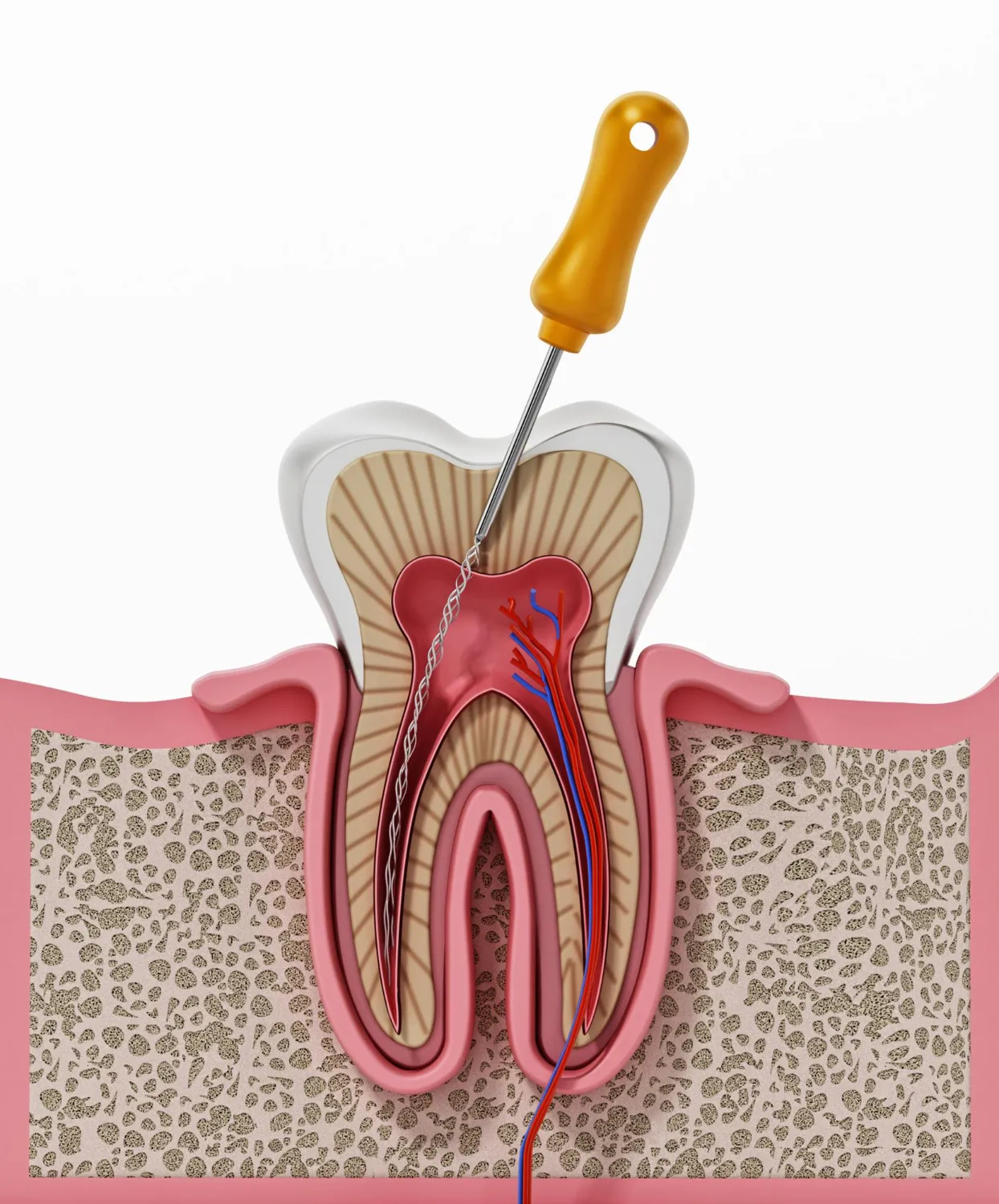
At its core, a root canal involves the removal of infected or damaged pulp from the inside of a tooth. This pulp houses nerves and blood vessels, and when compromised, it can lead to intense pain and further complications. Here’s a closer look at the key aspects of understanding root canal treatment:
The Essence of a Root Canal:
Root canals are not something to fear but rather a solution to alleviate pain and preserve your natural tooth. When a tooth’s pulp becomes infected due to deep decay, cracks, or trauma, a root canal becomes necessary to remove the affected tissue and prevent the infection from spreading.
The Procedure Unveiled:
Contrary to common misconceptions, a root canal is a relatively straightforward and virtually painless procedure. The dentist begins by numbing the area to ensure you’re comfortable throughout the process. Once numb, they create a small opening in the tooth to access the infected pulp, which is then meticulously removed. The now-empty space is cleaned, disinfected, and sealed to prevent any further issues.

Factors Influencing the Need for a Root Canal:
Understanding when a root canal might be necessary is crucial. Common signs include persistent toothache, sensitivity to hot or cold, swelling, and tenderness. If you experience any of these symptoms, it’s imperative to consult with a dentist promptly to assess the situation and determine the best course of action.
Preventive vs. Reactive Measures:
While root canal treatment is effective in addressing existing issues, preventive measures play a pivotal role. Regular dental check-ups, proper oral hygiene practices, and addressing dental concerns promptly can significantly reduce the likelihood of needing a root canal.
Dispelling Myths:
Root canals are often surrounded by myths that contribute to dental anxiety. Understanding the reality of the procedure – its painless nature, advanced techniques, and high success rates – can alleviate apprehensions and promote a more positive approach to oral health.
Cost Breakdown of Root Canal Treatment
Understanding the financial implications of a root canal procedure involves considering various components that contribute to the overall cost. While the cost can vary based on multiple factors, a breakdown of these expenses offers insight into what patients can expect when undergoing this dental procedure.
Consultation Fees:
Before the actual root canal treatment, patients often have an initial consultation with the dentist. This visit involves an examination, X-rays, and discussion regarding the necessity and complexity of the root canal. The consultation fees cover the dentist’s expertise and evaluation, typically ranging within a certain fee structure.
Procedure Costs:
The core expense of a root canal treatment encompasses the procedural costs. Factors such as the tooth’s location, the severity of infection, and the number of roots affected influence this expense. The complexity of the case determines the extent of treatment required and subsequently affects the overall cost.
Additional Costs:
Beyond the procedure itself, additional expenses may arise. These include medication prescribed post-treatment, potential follow-up visits, and any supplementary procedures necessary for the tooth’s restoration. While these costs might not be substantial, they contribute to the overall financial considerations.
Financial Aspects of Root Canal Treatment
One of the critical considerations when facing a necessary dental procedure like a root canal is the financial aspect. Understanding the costs involved and planning accordingly can ease the process and alleviate potential stress.
Importance of Budgeting for Dental Procedures
Budgeting for dental treatments, including root canals, is crucial. While it’s challenging to predict the exact cost due to various factors, having a ballpark estimate helps prepare you financially. Unlike routine check-ups, a root canal involves more intricate procedures, which can affect the overall expense.
Exploring Payment Options for Root Canal Treatment
Dental procedures, especially ones like root canals, can vary significantly in cost. It’s essential to explore payment options to manage the financial burden effectively. Several options may be available:
Out-of-Pocket Payments
For those without insurance coverage, paying out-of-pocket is a primary option. Dental offices often offer flexible payment plans or discounts for upfront payments. Discussing payment arrangements beforehand can help manage the financial aspect efficiently.
Payment Plans or Financing Options
Many dental practices provide payment plans or financing options to alleviate immediate financial stress. These plans often break down the total cost into manageable monthly payments, making the procedure more affordable for patients.

Dental Insurance Coverage
Having dental insurance can significantly impact the overall cost of a root canal. However, coverage varies widely among insurance providers and policies. Understanding the terms of coverage, including deductibles, copayments, and coverage limitations, is essential before proceeding with the treatment.
Navigating Insurance Coverage for Root Canal Treatment
Understanding how dental insurance covers root canal procedures is crucial for financial planning. Typically, dental insurance plans cover a percentage of the procedure cost, but it’s essential to be aware of potential limitations or exclusions.
Types of Dental Insurance Plans and Their Coverage
Different dental insurance plans offer varying levels of coverage for root canals. Plans might include preferred provider organizations (PPOs), health maintenance organizations (HMOs), or exclusive provider organizations (EPOs), each with its coverage specifics.
Common Coverage Limitations or Exclusions
While many insurance plans cover root canals, certain limitations or exclusions might apply. These could include waiting periods, restrictions on the number of procedures covered within a year, or specific requirements for coverage eligibility.
Tips for Managing Root Canal Costs
Root canal treatments are essential for preserving a tooth and relieving pain, but they can come with associated expenses. Managing these costs wisely can alleviate financial strain while ensuring necessary dental care. Consider these strategies:
Explore Payment Options
When faced with root canal costs, discuss payment plans or financing options with your dentist’s office. Many dental practices offer flexible payment arrangements to help patients manage expenses over time.

Understand Your Insurance Coverage
Before undergoing a root canal, familiarize yourself with your dental insurance coverage. Be aware of the extent of coverage for the procedure and any potential limitations or exclusions. Knowing this in advance can prevent unexpected out-of-pocket expenses.
Request Detailed Estimates
Seek a detailed breakdown of costs from your dentist. This should include the consultation fee, procedure costs, and any additional expenses. Having a clear estimate will enable better financial planning and prevent surprises.
Consider Dental Discount Plans
Investigate dental discount plans or savings programs that may help reduce the overall cost of the root canal procedure. Some plans offer discounted rates for specific treatments, including root canals.
Prioritize Preventive Care
Emphasize regular dental check-ups and oral hygiene routines to prevent future dental issues that might require costly treatments. Prevention is often more cost-effective than extensive dental procedures.
Ask About Alternative Treatments
Inquire with your dentist about any alternative treatment options available for your condition. Sometimes, there might be more than one approach to address dental problems, and exploring alternatives could impact the overall cost.
Communicate with Your Dentist
Open communication with your dentist is key. Discuss your concerns about costs and explore whether there are any potential ways to optimize the treatment plan to accommodate your budget.
Conclusion:
At Downtown Dental Centre, we understand the importance of a healthy smile. Root canal treatments are crucial for preserving dental health, and we prioritize making these procedures accessible. By delving into the financial aspects and insurance coverage of root canals, we aim to empower our patients to make informed decisions about their dental care. Remember, your smile is an investment, and we’re here to support you every step of the way.