
Maintaining a healthy smile goes beyond just brushing and flossing. For dentists, seeing beneath the surface is crucial in ensuring optimal oral health. This is where dental oral X-rays come in. These imaging techniques provide dentists with valuable insights that they cannot see normally. Here, learn the crucial role of dental oral X-ray services in maintaining a healthy smile.
The Unseen Benefits of Dental Oral X-Rays
The benefits of dental oral X-rays are more than just detecting cavities. Here are all the benefits that this service offers:
Identify Early Signs
Dental X-rays help find early bone loss from gum disease. This helps prevent serious problems and allows for better treatment.
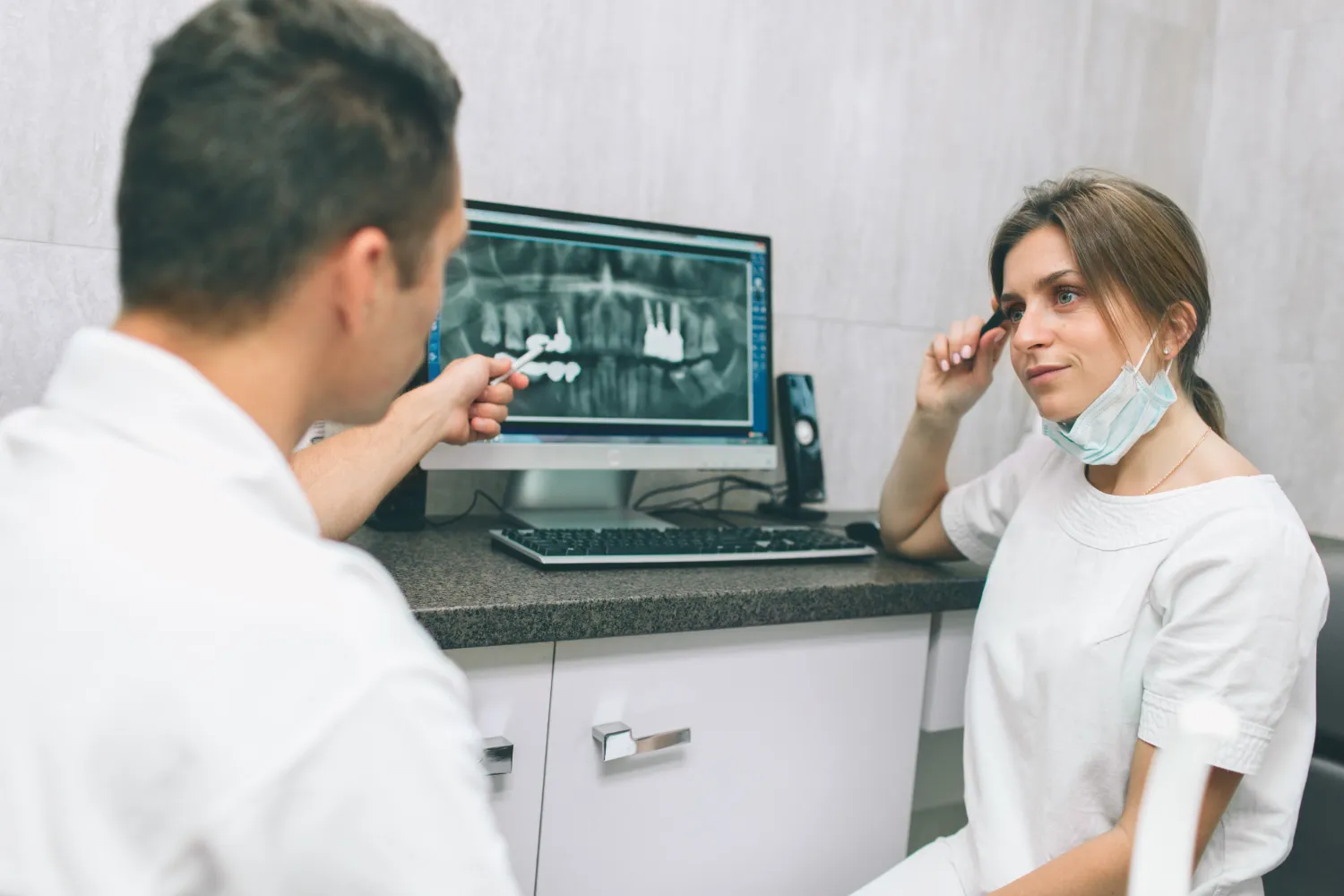
Identifying Developmental Abnormalities
This service helps find problems like impacted teeth or jaw growth issues. They also show tooth alignment and bone structure. And it is important for planning orthodontic treatment.
Detection of Abscesses or Cysts
Another significant benefit is the detection of abscesses or cysts. Without the use of dental oral X-rays, these potentially serious conditions remain unnoticed.
Different Types of Dental Oral X-Rays and Their Uses
There are different types of dental oral x-rays for different issues. Here, check out these types of X-rays to find your solution:
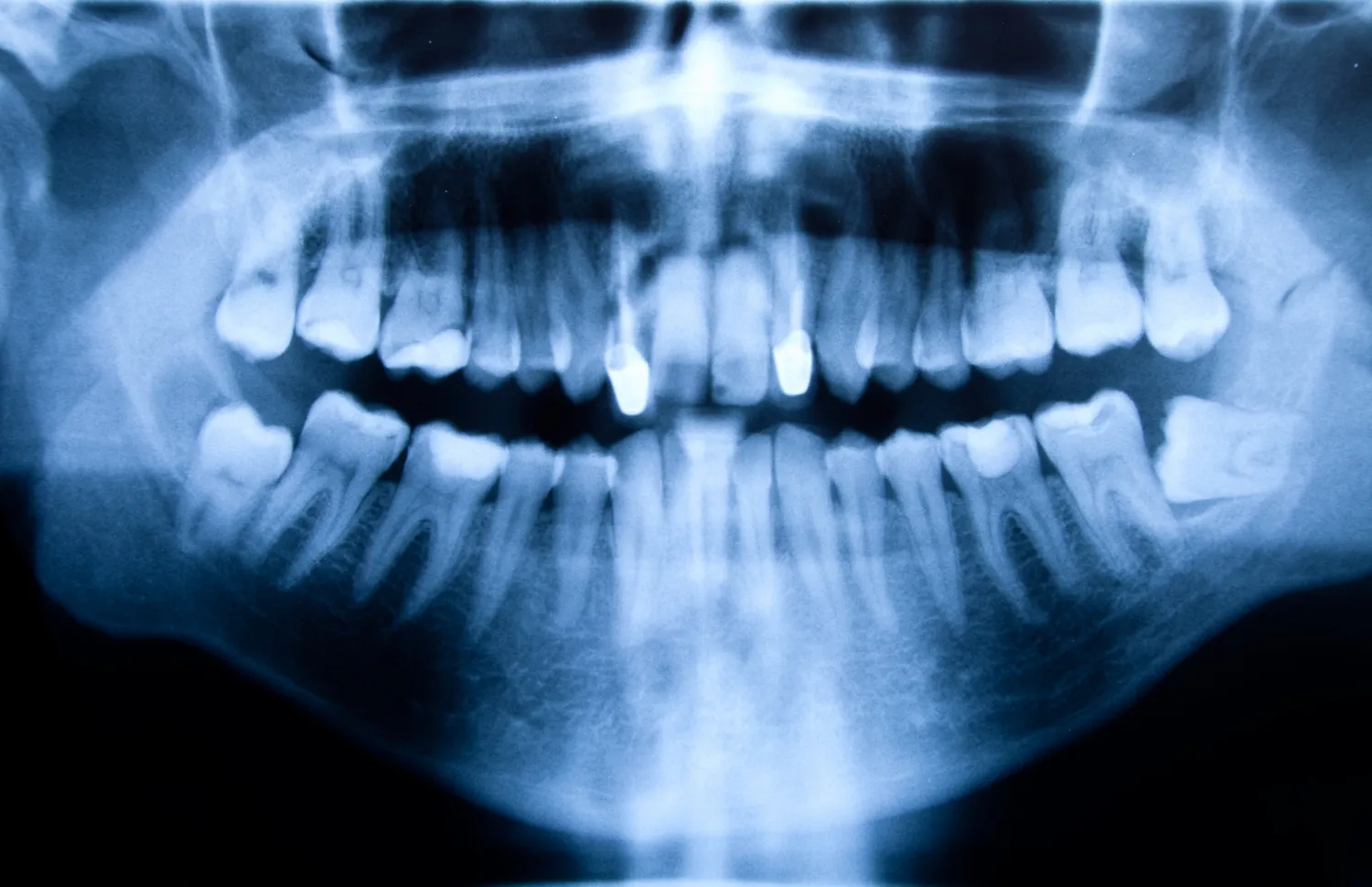
Bitewing X-ray
One common type is the bitewing X-ray. This technique helps find cavities between teeth, which can’t be seen in a regular checkup.
Panoramic X-rays
Panoramic X-rays offer a broader view, capturing the entire mouth in a single image. With this method, dentists find out issues like wisdom teeth. It also helps in assessing jaw problems and detecting tumors or cysts in the jaw area. Periapical X-rays
Periapical X-rays
They capture a close-up of two to three teeth, showing the crown and root. This helps find root problems, check bone health, and detect abscesses.
Occlusal X-rays
Occlusal X-rays are large and show all teeth in the upper or lower jaw. They help track kids’ tooth growth and find tooth problems.
CBCT (Cone Beam Computed Tomography)
CBCT is a special scan that gives 3D images of teeth, bones, nerves, and soft tissues. It helps dentists plan treatments for implants, braces, and root canals.
Importance of Dental Oral X-Rays in Specific Dental Procedures
Dental oral X-rays help to diagnose and plan treatment for different issues. Let’s delve into their significance across different aspects of dental care:
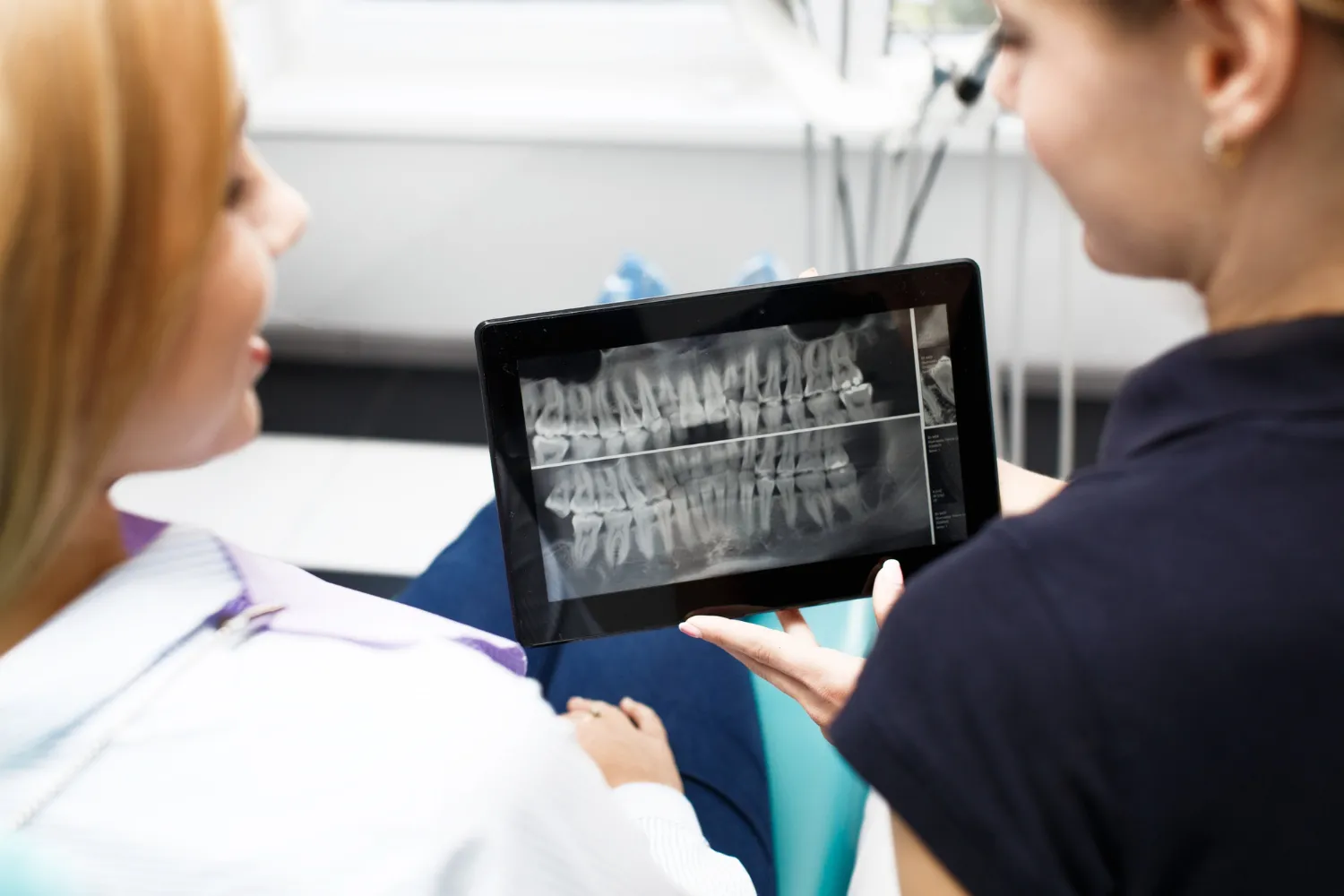
Routine Dental Check-ups and Cleanings:
X-rays help dentists find hidden problems like cavities, gum disease, and bone loss. Catching these early helps prevent bigger issues and keeps your mouth healthy.
Orthodontic Evaluations and Treatment Planning:
X-rays help orthodontists see how teeth and jaws are aligned. This helps them plan treatment and choose the best tools to fix misalignment.
Endodontic Procedures such as Root Canal Therapy:
For endodontic procedures like root canal therapy, X-rays play a vital role. It helps to diagnose pulp infections, tooth fractures, and other underlying issues.
Oral Surgery and Dental Implant Placement:
This service provides information about bone structure, volume, and density. In oral surgery and dental implant placement, X-rays are the most important thing.
Safety and Risks of Dental Oral X-Rays
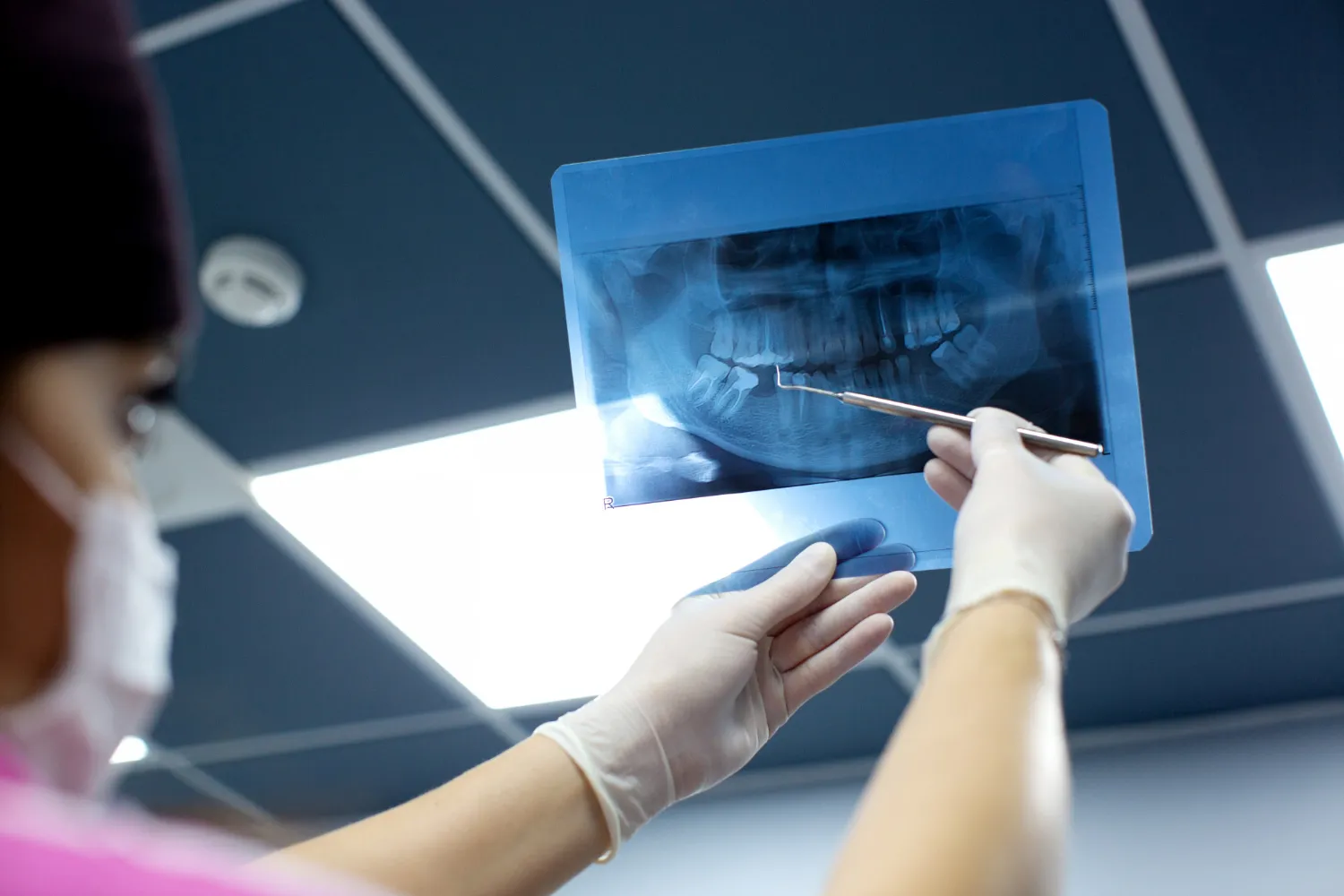
While the benefits of dental oral X-rays services are significant for oral health management, it’s important to acknowledge the safety concerns and risks associated. Modern dental X-ray practices have evolved to minimize radiation exposure, making it a low-risk procedure. However, it’s crucial to use protective measures, such as lead aprons, to shield the body from unnecessary exposure. Pregnant individuals should inform their dentist, as special precautions may be necessary.
Dental professionals are trained to adhere to the ALARA principle, ensuring that radiation doses are As Low As Reasonably Achievable, thereby maximizing the safety of dental oral X-rays for patients of all ages.
Safety and Risks of Dental Oral X-Rays
The benefits of dental oral X-ray services are significant for oral health management. However, it’s important to acknowledge the safety concerns and risks associated. Modern dental X-rays use less radiation, making them safer. Dentists follow the ALARA rule to keep X-ray radiation as low as possible, making it safe for all patients.
Preparing for Your Dental Oral X-Ray: What to Expect
Before your dental oral X-ray services, inform your dentist about any health conditions. You won’t need to fast or make special preparations. But always wear comfortable clothing and remove any jewelry you have on.
If you are in Regina and searching for “dental oral X-ray services near me,” then you need to choose carefully. See if they explain the process and give priority to the patient’s comfort. During the X-ray, you might be asked to bite down on a small apparatus to position your teeth correctly. The process is quick, often taking just a few minutes, and painless.
Innovations in Dental Imaging: Advancements in X-Ray Technology

Dental imaging is improving fast with new technology. Digital X-rays use less radiation and give clearer images than film X-rays. 3D imaging with CBCT shows detailed views of teeth, nerves, and tissues. These advances help dentists find problems early and plan better treatments.
The Future of Dental Oral X-Ray Technology
Dental oral X-ray technology is improving, making diagnosis more accurate and safer. Downtown Dental Centre uses the latest X-ray technology to provide better care. New advancements help reduce radiation and improve image quality. Dental oral X-ray services help dentists get more precise and less invasive treatments. For modern dental X-ray services that focus on your health and comfort, contact us.