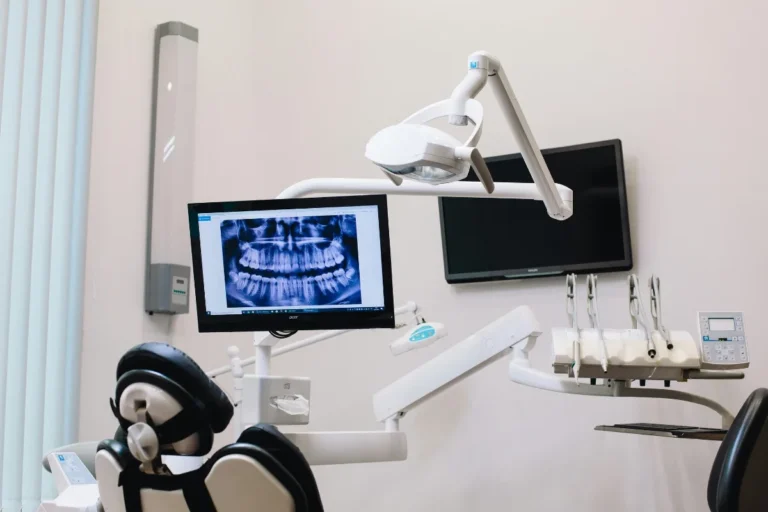
Severe gum disease is associated with impaired lung function
According to a study presented at EuroPerio10, a world conference in periodontology and implant dentistry organized by the European Federation of Periodontology (EFP), gum disease leads to reduced lung function.
“Our study indicates a link between periodontal disease and lung function meaning that good dental hygiene may benefit both oral and respiratory health,” said study author Dr. Anders Røsland of the University of Bergen, Norway. “More research is needed to evaluate causality and whether lung function can be improved with periodontal therapy.”

Research on impaired lung function
Dental cleaning, as well as plaque removal, has been linked to a decrease in symptom flare-ups in people with chronic obstructive pulmonary disease. This research looked at the link between lung function and gingivitis in the Malmö Offspring Dental Study, which is a community-based study.
The research included 1,021 people, of whom 513 were men and 508 were women. The average age was 44.5 years old. Dental check-ups include X-rays and a dental examination of the teeth and gums. The degree of periodontitis was determined by measuring pocket depths around the teeth and loss of attachment from the surrounding tissues using a scoring system developed by Frank Gibson in 1944. The percentage of sites showing bleeding on probing was used to measure inflammation in the gums.
Moderate periodontitis
Out of the 1,021 participants, 289 had moderate periodontitis (28%), 71 had severe peritonitis (7%), and 661 were classified as either healthy or mild- sufferers serving as a comparison group. On average, those with severe periodontitis were 55 years old and 59% male. Smoking was also more common among people with moderate to severe peritonitis compared to the healthier group.
Lung function
The researchers assessed lung function by measuring the volume of air exhaled from the lungs and the flow rate of air. To do this, they used spirometry which measures forced expiratory volume (FEV1) and forced vital capacity (FVC). FEV1 is the amount of air an individual can exhale during one second after maximal inspiration while FVC is the total amount of air that can be forcefully exhaled after taking a deep breath.
FEV1 & FVC
The researchers calculated both FEV1 and FVC as a percentage of the predicted value for healthy people. They also found the ratio of FEV1/FVC (%).
The researchers discovered that FEV1 and FVC (both expressed as a percent of the predicted value) declined with exacerbating periodontitis. In more accurate analyses adjusted for age, sex, smoking, body mass index, diabetes, and educational level; it was observed that there was a negative relationship between lung function and severe periodontitis: compared to the healthy/mild group – those impacted by severe periodontitis had 3.6% lower levels of FEV1 and 2.2% lower levels of FEV1/FVC.
Measures of lung function
Dr. Røsland says that “all measures of lung function deteriorated as gum disease worsened. In addition, as gum inflammation became more widespread throughout the mouth, some of the respiratory values tended to worsen. A decline in lung function may indicate airway inflammation, possibly originating from inflamed gums and the inhalation of dental plaque, which contains bacteria. If this link between gum disease and lung function is confirmed, this could provide the rationale for periodontal treatment and oral hygiene programs to improve oral and respiratory health.”