
Broken Filling vs Broken Tooth: How Dentists Identify the Problem
A broken filling and a broken tooth can produce similar symptoms, including a sharp edge, sensitivity, food trapping or discomfort when chewing. The difference cannot always be identified at home.
A dentist needs to examine the restoration, remaining tooth structure, bite and sometimes dental images to determine whether the filling failed, the tooth fractured or both problems occurred together.
If a tooth becomes painful, develops swelling or breaks after an injury, contact a dentist promptly.
Book a Dental Assessment
Can You Tell a Broken Filling From a Broken Tooth at Home?
Not reliably. The filling, the natural tooth around it or both may be damaged. A sharp edge, a missing piece or pain with chewing can occur with either problem. An examination is needed to identify the damaged area and decide what care is appropriate.
Why the Two Problems Can Feel Similar
A filling becomes part of the restored tooth. When something changes, you may only feel that the area is rough or uncomfortable, rather than know whether it is a lost filling or chipped tooth.
A Sharp or Rough Edge
An area that previously felt smooth now feels newly sharp or uneven.
Food Collecting
Food starts collecting around the tooth or restoration.
Temperature Sensitivity
The area responds to hot or cold foods and drinks.
Pain With Pressure
Discomfort occurs when biting or when releasing pressure.
A Visible Gap
An opening can be seen beside the filling.
A Piece Breaks Away
A piece of filling material or natural tooth comes away.
A Change in the Bite
The upper and lower teeth no longer seem to meet in the usual way.
Signs That May Suggest a Filling Problem
Cracked filling symptoms can overlap with tooth damage. A filling should be assessed when it:
- Feels loose or moves
- Has fallen out
- Has a visible opening around its edge
- Feels rough where it was previously smooth
- Repeatedly traps food
- Causes the bite to feel different
A filling can fail without causing strong pain. Conversely, discomfort around a filled tooth does not necessarily mean the filling itself is responsible.
The clinic’s dental fillings in Regina page explains how fillings are assessed and restored.
Signs That May Suggest Tooth Damage
Natural tooth structure may be involved when a piece breaks away, the tooth responds differently to pressure or temperature, or it feels changed after an impact.
Missing Enamel
A visible piece of natural enamel has broken away.
Pain When Biting or Releasing
Discomfort occurs during biting or when pressure is released.
A Strong Temperature Response
The tooth responds strongly to temperature changes.
A Visible Crack Line
A line can be seen, although its depth cannot be established at home.
Tooth Broken Around a Filling
Natural tooth structure breaks around a large restoration.
A Change After an Impact
The tooth feels different following an injury or blow to the mouth.
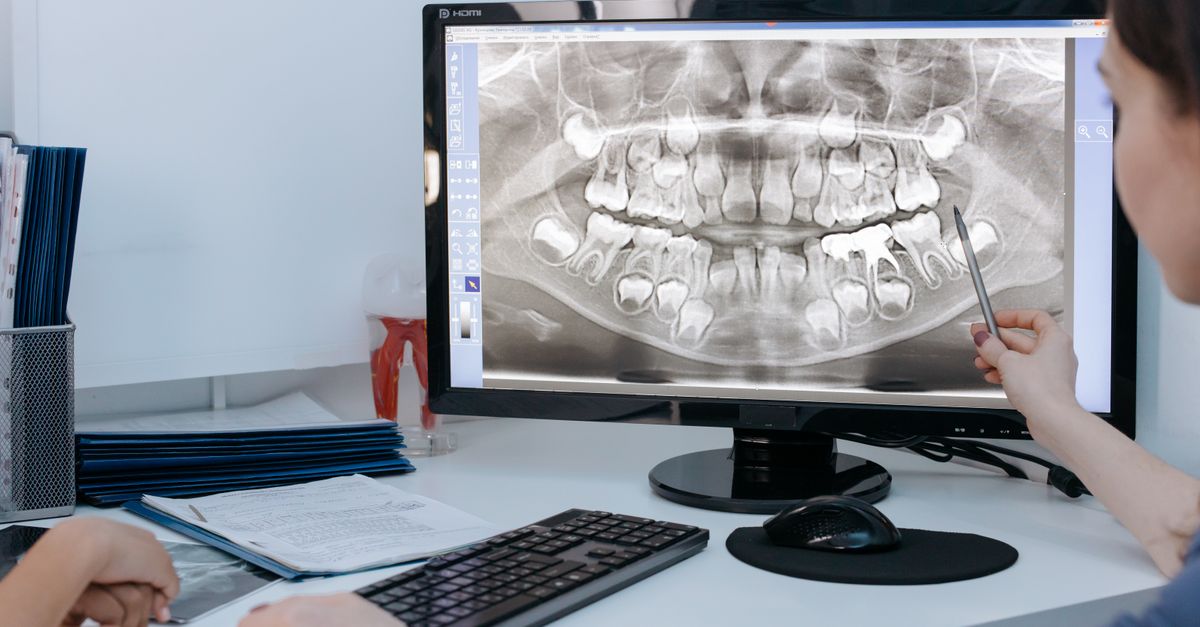
How a Dentist Identifies the Problem
At Downtown Dental Centre, the assessment considers the filling and surrounding tooth together. Depending on the symptoms and findings, it may include:
- Asking when the symptoms started
- Examining the filling and surrounding tooth
- Checking the tooth from different angles
- Testing how the tooth responds to biting pressure
- Checking the bite
- Assessing sensitivity or pulp health where appropriate
- Using digital dental radiography when imaging is justified
Possible Treatment Options
The repair depends on the defect, remaining tooth structure, pulp health and whether the tooth can be restored predictably.
Repairing the Filling
A small localized defect may sometimes be repaired. Suitability depends on the existing material, surrounding tooth and reason for failure.
Replacing the Filling
Replacement may be appropriate when the restoration no longer seals or functions properly but the tooth can still support a filling.
Restoring the Tooth With a Crown
A crown may be discussed when broader coverage is required. Learn about dental crowns for that separate restorative service.
Root Canal Treatment
If the pulp is irreversibly inflamed or infected, root canal treatment may be considered when the tooth remains restorable.
Tooth Extraction
If the tooth cannot be restored predictably, the dentist may discuss tooth extraction and possible replacement options.
What to Do Before the Appointment
Avoid adding force to the area and contact the dental office for advice about how soon it should be examined. Do not repeatedly test a rough, loose or painful tooth by biting on hard objects.
If a fragment came away, keep it in a clean container and bring it to the visit. Ask the office how to store it; do not keep a loose piece in your mouth.
- Avoid chewing hard foods on the affected tooth
- Keep the area reasonably clean
- Save any fragment that came away
- Do not use household glue
- Do not attempt to file a sharp edge
- Contact the clinic if pain or swelling develops
Significant pain, swelling or a new injury needs prompt professional advice. Do not rely on a routine online booking request if symptoms are urgent; call a dental provider directly.
Difficulty breathing or swallowing, rapidly spreading face or throat swelling, or a serious facial injury requires emergency medical care. Call 911 or seek immediate medical help rather than waiting for a dental appointment.
Frequently Asked Questions
Can a broken filling wait?
A small defect may not feel urgent, but delaying assessment can expose the tooth to additional force, food and bacteria. Ask the dental office how soon it should be checked.
Can the same filling be repaired?
Sometimes. The dentist must determine whether a localized repair is appropriate or whether the complete restoration needs replacement.
Why does the tooth hurt when I bite?
Possible causes include a cracked restoration, fractured tooth structure, bite pressure or inflammation inside the tooth. An examination is needed.
Is a lost filling a dental emergency?
Urgency depends on pain, swelling, remaining tooth structure and the location of the tooth. Prompt advice is recommended.
Authoritative Dental Health Resource
This article provides general information rather than a diagnosis. A dental examination is needed to identify which tissues or materials are affected and which treatment options apply to your tooth.
Find Out What Needs Repair
If a filling or tooth feels broken, review chipped and broken tooth repair in Regina or book a dental assessment. The dentist can examine both the restoration and the natural tooth before recommending care.
Chipped and Broken Tooth Repair in Regina